
How to Choose the Perfect Towel: GSM, Size, Fabric & Absorbency Explained
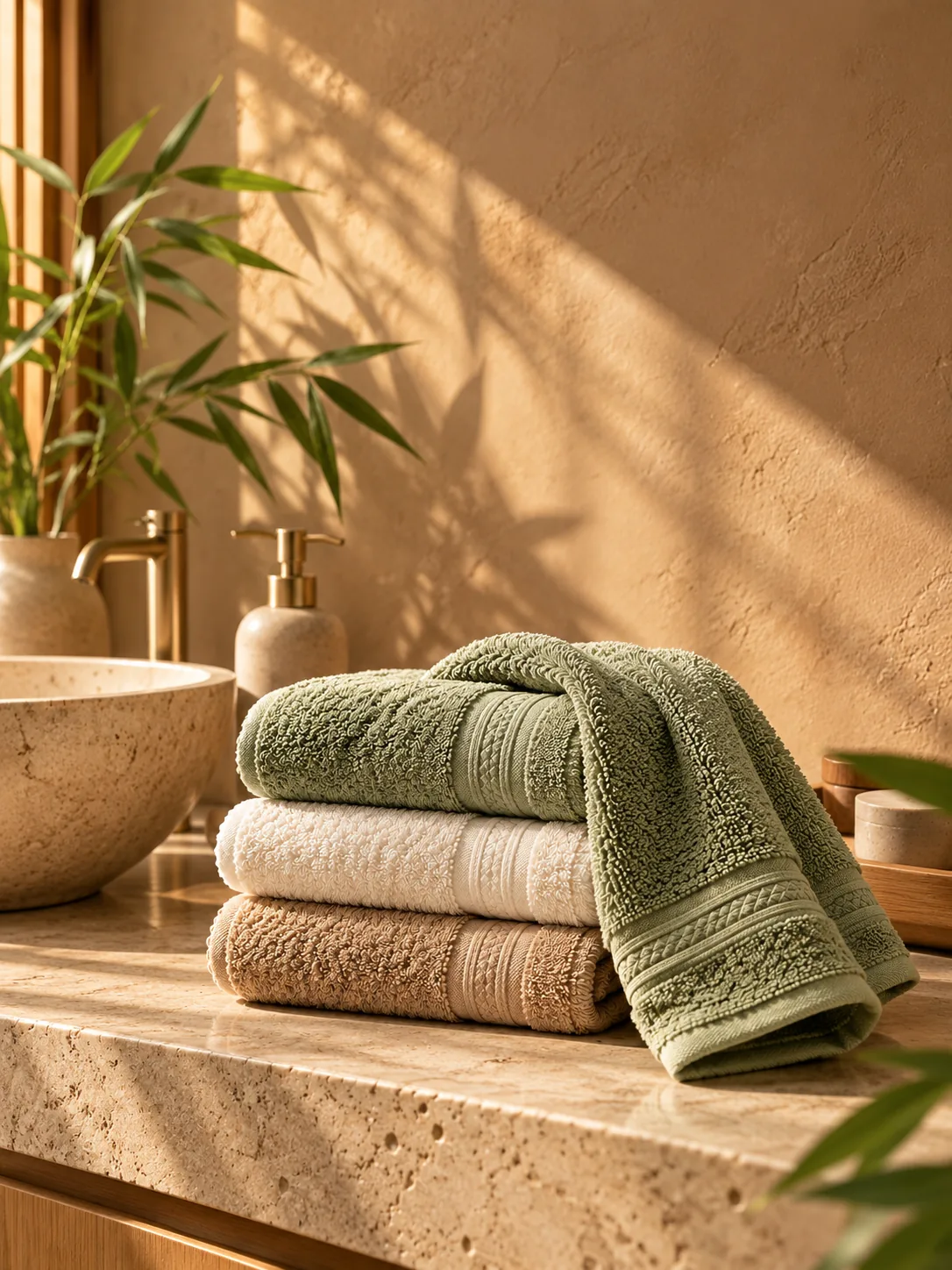
A towel is something we use every day, yet it is surprisingly easy to overlook what makes one towel feel noticeably better than another. Two towels may look almost identical online, but once you use them, differences in softness, thickness, absorbency, size and overall comfort can become obvious.
The secret is knowing what to look for before you buy.
Terms such as GSM, fabric composition, towel size and absorbency can tell you a lot about how a towel is likely to feel and where it will work best. Whether you're choosing a face towel for your skincare routine or a larger towel for your bathroom, understanding these basics can help you make a more informed choice.
Here is a simple guide to finding the perfect towel for your everyday routine.
What Does GSM Mean in Towels?
One of the first specifications you may notice while shopping for towels is GSM.
GSM stands for grams per square metre. Simply put, it measures the weight of the towel fabric over one square metre.
A higher GSM generally means that more material is packed into the same area, resulting in a denser and often more substantial towel. A lower GSM usually indicates a lighter towel.
However, higher GSM does not automatically mean better quality. The ideal GSM depends on what you want the towel to do.
Lightweight towels can be practical when portability and quicker drying are priorities, while denser towels can provide the plush, substantial feel many people associate with premium bathroom textiles.
For everyday use, the goal is to find a balance between softness, density, absorbency and drying convenience.
Why Towel Size Matters
The perfect towel isn't necessarily the biggest one.
Different towel sizes are designed for different purposes, and choosing the correct size can make your daily routine more convenient.
Face Towels
Face towels are small and easy to handle, making them suitable for washing and drying your face, skincare routines and general personal care.
A compact 30 × 30 cm face towel, for example, provides enough surface area for everyday facial use without the unnecessary bulk of a larger towel.
At Bamboo Soul, our 30 × 30 cm face towels use a 550 GSM construction, giving the compact towel a dense and plush feel while keeping it appropriately sized for facial and everyday personal-care use.
Hand Towels
Hand towels are larger than face towels and are usually kept beside a bathroom or kitchen sink.
Because they are used repeatedly throughout the day, a good hand towel should provide a comfortable balance between absorbency and practical drying.
Bath Towels
Bath towels provide considerably more coverage and are designed for drying the body after bathing or showering.
Here, size and weight become particularly important. A very large, dense towel can feel luxurious but will naturally contain more material and may take longer to dry depending on its construction and environment.
Understanding how you intend to use a towel should therefore come before simply choosing the largest or thickest option.
Choosing the Right Towel Fabric
Material has a major influence on how a towel feels and performs.
Bamboo-Derived Towels
Towels made using bamboo-derived fibres are often chosen for their smooth and soft hand feel.
The bamboo plant itself is processed to obtain cellulose, which can be manufactured into textile fibres such as viscose or rayon. These fibres can then be spun into yarn and used alone or blended with other fibres to create towel fabric.
For someone who values a soft, refined feel—particularly for face towels and other frequently used bathroom textiles—bamboo-derived fabrics can be an attractive option.
Cotton Towels
Cotton remains one of the most widely used materials for towels.
It can offer excellent comfort and absorbency, and cotton towels are available in an enormous range of thicknesses, sizes and constructions.
However, not every cotton towel is identical. Fibre quality, yarn, GSM, weave, finishing and manufacturing all influence the final product.
Blended Fabrics
Some towels combine multiple fibres to achieve particular characteristics.
This is why checking the actual fibre composition on the product label is important rather than relying solely on the product name.
What Makes a Towel Absorbent?
Absorbency is one of the most important qualities in a towel, but it isn't determined by a single specification.
The towel's fibre composition, construction, surface area, density and finishing can all affect how it interacts with moisture.
The familiar loops visible across many towels are known as terry loops. These loops increase the fabric's surface area and help the towel pick up moisture.
Dense, well-constructed terry can provide a soft and substantial experience, but the quality of the yarn and construction still matters.
This is another reason why GSM should be considered alongside the towel's fabric and weave, rather than being treated as the only measure of quality.
Softness vs Absorbency: Do You Need to Choose?
Ideally, a good everyday towel should offer both.
A towel can feel exceptionally soft while still needing appropriate construction to perform effectively. Likewise, a highly functional towel isn't necessarily going to provide the luxurious feel you want against your skin.
For face towels especially, texture deserves extra attention because the towel comes into frequent contact with the face.
Look for towels with a soft surface, dense and consistent loops, neat stitching and well-finished borders.
These small construction details can make a significant difference to the overall experience.
Don't Forget About Drying Time
Absorbing water is only half of a towel's job. It also needs to dry afterward.
Drying time varies considerably depending on the towel's GSM, thickness, size, fibre composition, room humidity, airflow and how it is hung.
Instead of assuming that one particular material will always dry faster than another, consider the complete construction of the towel.
After use, avoid leaving a damp towel folded or crumpled. Hang it fully open where air can circulate around the fabric.
This simple habit can make everyday towel care much easier.
How to Recognise a Well-Made Towel
When shopping online, you cannot always touch a towel before purchasing it. That makes product specifications and close-up photographs especially useful.
Look closely at the terry loops, edges, stitching and decorative borders.
The construction should appear consistent, with clean edges and neatly finished seams. Detailed product photographs should also give you a realistic idea of the fabric's density and texture.
Then check the specifications for material composition, dimensions and GSM.
Rather than judging quality from one number, consider all of these details together.
How to Care for Your Towels
Even a premium towel needs proper care to maintain its feel and appearance.
Always start by following the care instructions supplied with the product. Washing requirements can vary depending on fibre composition and construction.
Avoid assuming that more detergent will make towels cleaner. Using excessive detergent may make rinsing more difficult. Extremely high temperatures or harsh treatments may also affect some fabrics over time.
Most importantly, allow towels to dry properly before folding and storing them.
Good towel care can help preserve their texture, appearance and everyday performance for longer.
Finding the Right Towel for You
There isn't one specification that defines the perfect towel.
Instead, think about four key factors:
GSM tells you about fabric weight and density. Size determines whether the towel suits its intended purpose. Fabric influences texture and overall feel. Construction and absorbency determine how comfortably the towel performs in everyday use.
For a face towel, you may prefer something compact, soft and plush. For a hand towel, repeated everyday use and practical drying may matter more. For a bath towel, coverage, absorbency and comfort become particularly important.
Discover Bamboo Soul Towels
At Bamboo Soul, our approach is centred around turning an ordinary everyday essential into a more comfortable experience.
Our towel collection combines thoughtful sizing, soft textures and carefully considered construction for modern everyday routines. Our 30 × 30 cm, 550 GSM face towels, for example, are designed to provide a compact size with a plush, substantial feel—ideal for keeping beside the sink or incorporating into a daily skincare routine.
Whether you're refreshing your bathroom or simply upgrading the towels you use every day, paying attention to the details can make all the difference.
Final Thoughts
The perfect towel isn't simply the thickest, biggest or most expensive option.
It is the towel that suits how you actually plan to use it.
Before buying, check the GSM, dimensions, fibre composition, terry construction, stitching and care instructions. Consider whether you want a lightweight everyday towel or a denser, more luxurious feel.
Once you understand these details, choosing towels becomes much easier—and an everyday bathroom essential can become a small but noticeable upgrade to your routine.